Go hayata benzer, ancak hayatın her yönünü de yansıtmaz. Örneğin savaşı ya da bir siyasi seçimi ele alalım. Bu tür durumlarda rakibinize belli ölçüde saygı duyabilirsiniz, ama onun iyiliğini gerçekten dilemezsiniz. Onu yalnızca mağlup etmek değil, aynı zamanda gelecekte bir daha tehdit oluşturamayacağı bir konuma getirmek istersiniz. Oysa Go böyle değildir. Rakibinizi kalıcı olarak saf dışı bırakmak yerine, onun güçlenmesini istersiniz, çünkü bu çok daha ilginç ve zorlu oyunların önünü açacaktır. Tabii aynı zamanda siz de güçlenmeyi umarsınız. Her iki oyuncunun da asıl derdi daha iyi bir oyuncu olmaktır. Oyun kazanmak bu amaca giden yolun bir parçasıdır, tıpkı kaybetmek gibi. Bu oyunu oynarken yegâne hedefimiz sadece kazanmak değildir. Kazanma ihtimali hiç olmayan (örneğin avanssız bir oyunda sizden on seviye daha zayıf olan —tıpkı şu an oynadığım Dragon Go maçlarından birindeki gibi) bir rakiple oynamak zorunda kalmak son derece sinir bozucudur. Amacım sadece kazanmak değil; ben daha iyi bir oyuncu olmak istiyorum. Benden çok daha zayıf oyunculara karşı avanssız oyunlar oynamak, oyunumu geliştirmeme yardımcı olmuyor. Üstelik bu durum, sadece hezimete uğrayan ve bunun sebebini pek de idrak edemeyen o zayıf oyuncuya da bir fayda sağlamıyor. Çok daha zayıf oyunculara avanslı (handikap) oyunlar oynayarak yardımcı olmaktan memnuniyet duyarım. Bu tür oyunlar eğitici bir süreçtir ve hepimizin faydalanabileceği bir deneyim sunar. Hepimiz handikaplı oyunların her iki tarafında da yer alarak üzerimize düşeni yapmaya gayret etmeliyiz. Burada asıl vurgulamak istediğim husus şu: Oynadığım maçı rakibimin kazanmasını elbette istemem, ancak dişe dokunur bir mücadele vermek ve oyun sonunda bir şeyler öğrenmiş olmak isterim; ki inanın bu, kazanmaktan çok daha önemlidir. Elbette kazanmaktan keyif alıyorum, ancak Go bu bakımdan oldukça sıra dışı bir oyun. Rakibimi tahtadan bütünüyle silip tarumar etmek hiç ilgimi çekmiyor. Onun güçlenmesini isterim ki, ben de onunla birlikte güçlenebileyim. Lütfen bana zayıf yönlerimi göster ki onları düzeltebileyim. Kaybeden tarafın oyundan sonra “Oyun için teşekkür ederim” demesinin sebebi budur işte.
William Cobb, 11 Haziran 2018
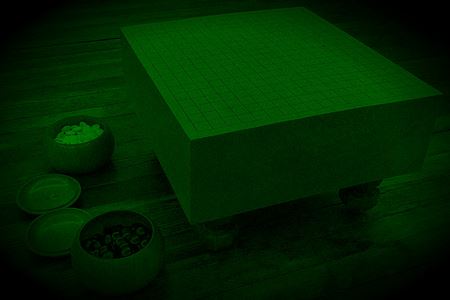
Fotoğraf: Phil Straus / Gece Görüşü Düzenleme: Chris Garlock
Çeviri: Utku Üzülmez
Kaynak
Orijinal metin:
Go is like life, but it’s not like every part of life. Take war, for example, or a political election. You may have certain sorts of respect for your opponent in such cases, but you don’t really wish them well. Not only do you want to defeat them, you want to put them in a place where they won’t be a threat in the future. Go is not like this. Instead of wanting to permanently defeat them, you want your opponent to become stronger since that will make for more interesting games. Of course, you hope to become stronger at the same time. Both players are primarily interested in becoming better players. Winning games is part of the path to that end, but so is losing games. Just winning is not the goal we have in playing this game. It is very frustrating to find yourself having to play an opponent who cannot possibly win (being say, ten ranks weaker than yourself in an even game—like in one of my Dragon Go games at the moment). I don’t want to just win; I want to become a better player. Playing even games against much weaker players does not help me learn to play better. And it doesn’t help the much weaker player either, who just gets demolished and has little idea why. I’m happy to help much weaker players by playing handicap games. Those are a teaching process and something we all can benefit from. We should all try to do our share of playing on both sides of handicap games. My main point here is that while I don’t want my opponent to win this game, I do want to have a good challenge and to learn something, and that is more important than winning. Of course, I enjoy winning, but go is an odd game in this regard. I have no interest in leaving my opponent completely devastated. I want my opponent to become stronger so I can do so as well. Please, show me my weaknesses so I can correct them. That’s why the loser so often says, “Thank you for the game.”