Umarım okuyucularımın en azından bir kısmı, “The Empty Board” serisinin son yazısındaki oyuncunun “nihai hedefi olan galibiyet” ifadesini okurken hafifçe bir ürperti hissetmiştir. Eğer iyi ve kötü hamleler hakkında karar vermekten söz ediyorsak, ölçüt o hamlenin kazanma hedefiyle olan ilişkisidir (eğitici oyunlar hariç), ancak insanların oyunu kazanmak amacıyla oynadığını ima etmek pek çok oyuncu için yanıltıcı bir önerme olur. Elbette işin kazanmaya çalıştığınız bir boyutu vardır, ancak en keyif aldığım oyunların bazılarının kaybettiğim oyunlar olduğunu söyleyen tek oyuncu ben değilimdir sanıyorum. Oyunu oynamayı seviyorum, yalnızca kazanmayı değil. Neden oynadığımızdan bahsediyorsak eğer, galibiyetle sonuçlansın veya sonuçlanmasın, en iyi stratejiyi ve hamleleri bulmaya çalışmanın muazzam zorluklarının tadını çıkarmak için dersek sanırım daha doğru bir şekilde ifade etmiş oluruz. Dolayısıyla Go oyununda “iyi” ve “kötü” kavramlarının ortaya çıktığı birbirinden biraz farklı iki bağlam vardır: (1) bu hamle zafere katkıda bulunuyor mu? ve (2) bu oyunu oynamaktan keyif alıyor muyum? Bu ayrım kuşkusuz hayat için de geçerlidir. Hayatta, ikinci soruyu yanıtlamak tıpkı Go’da olduğu gibi oldukça kolaydır. Ancak hayatta, birinci soruya güvenle cevap vermek çok zordur. Go oynamaya siz karar verirsiniz, dolayısıyla neyi neden yaptığınıza dair bir fikriniz vardır ama doğmaya siz karar vermezsiniz. Belki hayat oyununu birden fazla oynama şansımız olsaydı, tüm bunların ne anlama geldiğini çözebilirdik. Bu süreçte daha fazla Go oynamanızı tavsiye ederim.
William Cobb, 1 Mayıs 2018
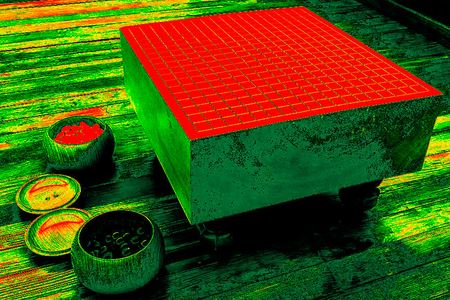
Fotoğraf: Phil Straus / Düzenleme: Chris Garlock
Çeviri: Utku Üzülmez
Kaynak
Orijinal metin:
I hope at least some of my readers felt at least a slight twinge at the statement in the last post in The Empty Board: “the player’s ultimate goal, which is of course to win.” If you are talking about the making of decisions about good and bad moves, the criterion is how the move relates to the goal of winning (except in teaching games), but for many players, it is misleading to suggest that they play the game in order to win. Certainly there is a sense in which you are trying to win, but I don’t think I’m the only player who would say that some of my most enjoyable games have been losses. I like to play the game, not just win the game. If we are talking about why we play, it seems more accurate to say that we play to enjoy the amazing challenges of trying to find the best strategy and plays, which may or may not result in our winning. So there are two somewhat different senses in which good and bad come up in go: 1) does this play contribute to victory? and (2) am I enjoying playing this game? This distinction surely applies in life as well. In life, as in go, it’s fairly easy to answer the second question. In life, however, the first question is very difficult to answer with confidence. You decide to play go, so you have some sense of what you are doing and why, but you don’t decide to be born. Maybe if we had a chance to play the game of life more than once, we could figure out what it is all about. In the meantime I recommend trying to play go more often.